
Steel begins corroding when water, oxygen, salts and contaminants reach its surface, but a primer only works when it bonds to properly prepared metal and forms the right barrier or sacrificial system. By the end, you will be able to specify the preparation, primer type, application controls and supplier documents needed for a Wardha fabrication project.
Key takeaways
- Remove mill scale, rust, oil and weld spatter before priming.
- Apply primer only to dry steel within the product’s temperature and humidity limits.
- Match zinc-rich, zinc chromate or conventional primer to steel exposure and topcoat.
- Check dry-film thickness, coverage, adhesion and missed edges before approving the coating.
What metal primer does to a steel surface
Metal primer protects fabricated steel by bonding to the prepared surface and forming a continuous barrier between steel, water, oxygen, salts and the finishing coat. It also creates a stable surface for the topcoat; without it, corrosion can begin beneath paint and lift the coating from welds, edges and cut-outs.
Zinc-rich primer adds sacrificial protection only when its dry film contains enough electrically connected metallic zinc particles and sits on suitably prepared steel. A grey primer with zinc dust or a conventional primer containing zinc phosphate is not automatically zinc-rich.
Zinc coatings can also develop white rust when moisture remains against the film, so loose corrosion products must be removed and damaged areas repaired before overcoating.
Before buying, specify:
1. The steel condition and preparation standard, including removal of oil, loose rust and mill scale, plus the required surface profile. A shallow profile weakens adhesion; an excessive profile leaves peaks under-covered.
2. The exposure: indoor, sheltered outdoor, industrial, coastal or continuously wet service. This determines the primer chemistry and the complete coating system.
3. The target dry-film thickness, recoat interval, application method and compatible topcoat. Include a brush-applied stripe coat for welds, corners, bolt heads and edges.
4. The exact chemistry. “Zinc cromet primer Wardha” is not a dependable specification; request the technical data sheet and safety data sheet, then confirm whether it contains zinc chromate, zinc phosphate, metallic zinc or another inhibitor. A metal primer wardha supplier should state every item above in writing.
How to prepare fabricated steel before priming
Primer will not rescue oil, loose rust or mill scale trapped against steel. Clean the fabrication in sequence, because blasting contaminated steel spreads grease and salts across the surface instead of removing them.
1. Degrease first. Use a suitable solvent or alkaline cleaner to remove oil, grease, cutting fluid and marking residue, then allow the steel to dry. Wipe or rinse away the cleaner; do not blast over a visibly greasy surface.
2. Remove weld spatter, sharp burrs, slag, loose rust and loosely attached mill scale by scraping, grinding or power tooling. Round sharp edges and smooth rough welds, where the coating specification requires it.
3. Abrasive-blast carbon steel to ISO 8501-1 Sa 2½ when the specified system requires near-white metal. Remove tightly adherent mill scale and rust rather than coating over them.
4. Measure the resulting surface profile with a comparator or profile instrument. Do not infer profile from abrasive type alone: a shallow profile weakens mechanical keying, while an excessive profile leaves peaks under-covered and consumes more primer.
5. Remove blasting dust with clean, dry air or an approved vacuum. Test chloride or sulfate contamination when steel has marine, chemical or heavily contaminated exposure, and record the project’s acceptance limit.
6. Check that the steel is dry and remains above the product data sheet’s dew-point margin. Condensation, falling steel temperature and trapped moisture can cause poor cure, bubbling or adhesion loss.
7. Brush-apply a stripe coat to welds, edges, corners, bolt heads and cut-outs before the full coat. Treat galvanised steel separately: remove white corrosion products and contaminants, then use the primer system specified for zinc surfaces.
How to apply primer under Wardha site conditions
A metal primer Wardha specification must fix the application method, target dry-film thickness, recoat interval and topcoat before work starts. Do not accept “one coat” as a control: compare the stated DFT and coverage, then verify the film on the steel.
- Check the technical data sheet, batch number and expiry date. Mix at the stated ratio, observe the induction time, and use the material within its pot life. Add thinner only when the sheet permits it; excess solvent can produce runs, pinholes and slow curing.
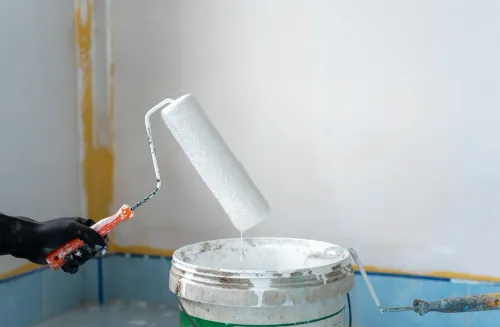
- Select airless spray for large, accessible steel, and brush or roller for edges, welds, bolts and touch-up. Stripe-coat edges and welds before the full coat, then keep the spray gun at a consistent distance and overlap.
- Measure wet-film thickness during application with a comb gauge. After curing, check dry-film thickness with a calibrated electronic or magnetic gauge at distributed locations. Too little primer leaves weak corrosion protection; too much can crack, trap solvent or exceed the recoat window.
- Apply only when the steel is clean and dry, its temperature remains above the product’s stated dew-point margin, and humidity stays within the technical data sheet limit. Stop for rain, condensation, falling steel temperature or airborne dust.
- Allow the specified drying time before handling, transport or topcoating. Provide ventilation without blowing dust onto the film, and record temperature, humidity, steel temperature, DFT and recoat time for each shift.
Which primer type fits the steel and exposure
Choose the primer by exposure, not by the word “anticorrosive” on the tin. Indoor steel has different demands from a frame exposed to Wardha’s monsoon wetting, industrial dust, chemicals or repeated condensation.
| Option | Protection | Preparation and compatibility | Cost and maintenance |
|---|---|---|---|
| Red oxide | Basic barrier and limited rust inhibition; suitable for mild indoor or sheltered exposure | Apply only to clean, dry steel after removing loose rust, oil and mill scale; confirm topcoat compatibility | Usually economical, but requires earlier touch-up in wet or exposed service |
| Ordinary anticorrosive | Barrier protection using inhibitive pigments such as zinc phosphate; performance depends on formulation and film thickness | More forgiving than zinc-rich products, but still needs sound, dry steel; match the specified topcoat and recoat interval | Low to medium initial cost; maintenance rises as moisture reaches scratches and edges |
| Zinc-rich | Cathodic protection when the dry film contains electrically connected metallic zinc and the steel is properly prepared | Usually needs abrasive blasting and controlled dry-film thickness; incompatible alkyd or solvent-sensitive topcoats can lift, pinhole or lose adhesion without sealing or a tie coat | Higher application cost, but reduced steel corrosion; repair damaged areas and renew the full system when specified |
| Zinc chromate or “cromet” | Depends on the actual pigment; “cromet” does not prove zinc chromate content or performance | Request the safety data sheet and technical data sheet before selection; verify preparation, handling and topcoat limits | Cost and maintenance vary; chromate hazards can add handling and disposal controls |
For a zinc rich primer Wardha project, compare zinc content in the dry film, not wet-paint percentage. For zinc cromet primer Wardha searches, confirm whether the product contains zinc chromate, zinc phosphate, metallic zinc or another inhibitor. Use the complete qualified primer, build coat and finish system.
How to compare suppliers and accept the finished coating
Accept the coating only against a documented system and measured dry-film thickness (DFT), not the primer tin or its quoted price. Ask any metal primer supplier wardha project for these documents before ordering:
- Batch-specific certificate of analysis or conformance, manufacturing date, shelf life and batch number.
- Technical data sheet stating chemistry, recommended DFT, theoretical coverage, application method, permitted thinner, mixing ratio, induction time, pot life and recoat interval.
- Safety data sheet, especially where “zinc cromet” appears; confirm whether it contains zinc chromate, zinc phosphate, metallic zinc or another pigment.
- A written primer/intermediate/topcoat schedule matched to the steel, surface-preparation standard, exposure and Wardha site conditions.
Compare offers on the complete system:
| Item | Acceptable comparison | Warning sign |
|---|---|---|
| Primer | Same chemistry and target DFT | “Anti-corrosive” with no chemistry or DFT |
| Coverage | Litres per square metre at that DFT and number of coats | Lowest price based on thin application |
| Compatibility | Qualified primer, intermediate and topcoat with recoat window | Zinc-rich primer paired with an unapproved alkyd finish |
| Delivery | Sealed, labelled batches within shelf life | Missing batch number or damaged seal |
MUNDLE COATINGS & CHEMICALS PVT LTD should be asked for the same evidence as every competing supplier, so the decision rests on performance rather than locality.
Before acceptance, record steel temperature, ambient temperature, relative humidity and visible condensation risk. Inspect cleanliness, colour uniformity, runs, pinholes, missed edges, lifting and adhesion; measure DFT at multiple locations with a calibrated gauge. Reject or repair areas below specification, over-thick, contaminated or outside the stated recoat window before applying the next coat.
Related items
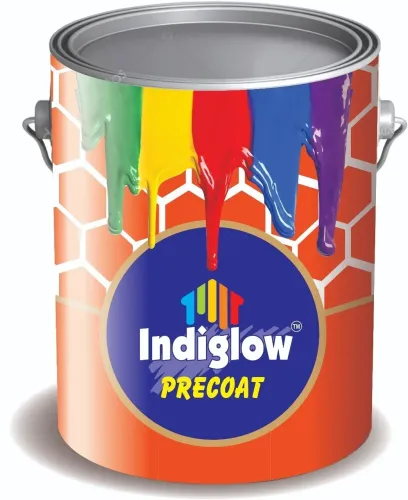
 | Indiglow Paints We are the best manufacturer and supplier of Anti-corrosive Metal Primer in Nagpur. View product → |
 | Indiglow Paints We are the best manufacturer and supplier of Synthetic Enamel & Primer in Nagpur. View service → |
Frequently asked questions
What does metal primer do to fabricated steel?
Metal primer bonds to prepared steel, limits contact with water, oxygen and salts, and provides a stable base for the topcoat. It also helps protect vulnerable welds, edges and cut-outs.
How should you prepare fabricated steel before priming?
Remove oil, grease, rust, mill scale, weld spatter and loose old coating. Clean welds and sharp edges, use the specified surface-preparation method, and prime only after the steel is dry and free from dust.
How do you apply primer under Wardha site conditions?
Check the product’s permitted steel temperature, air temperature, humidity and recoat interval. Avoid application during rain, condensation or dust-generating work, and maintain wet- and dry-film thickness records.
Which primer type fits a fabrication project?
Choose zinc-rich primer for high corrosion protection when the full coating system supports it, zinc chromate primer only where its specification and safety controls permit, and conventional metal primer for compatible, lower-demand systems.
How should you compare metal primer suppliers in Wardha?
Compare technical data sheets, batch traceability, pack condition, coverage, recoat window, support for the selected topcoat and delivery reliability. Accept the finished coating after checking continuity, dry-film thickness, adhesion and defects.
Related products
| Indiglow Paints Synthetic Enamel And Primer We are the best manufacturer and supplier of Synthetic Enamel & Primer in Nagpur. |
 | Indiglow Paints We are the manufacturers and supplier of Anti Corrosive Paints in Nagpur. View product → |