

The right choice depends on the substrate, moisture exposure, preparation standard, repair plan and the complete coating sequence—not on whether the can says red oxide or epoxy. By the end, you will be able to specify the system, test site conditions and compare quotations by finished cost per square metre.
Key takeaways
- Use synthetic enamel for simpler maintenance and lower site-control demands.
- Choose epoxy where moisture, chemicals or longer maintenance intervals justify stricter preparation.
- Match the coating to steel, galvanised steel, aluminium, masonry or wood.
- Compare quotations by coating sequence, surface preparation, coverage and technical documents.
When should Raipur construction use synthetic enamel primer or epoxy primer?
Use synthetic enamel for simpler site maintenance; choose epoxy when moisture, chemicals or longer maintenance intervals justify tighter control.
| Option | What it means | When it applies |
|---|---|---|
| Synthetic enamel primer | A single-pack, air-drying alkyd or modified-alkyd coating that is easier to apply, touch up and store | Straightforward maintenance, lower application complexity, and sheltered or moderately exposed steel when the complete product system permits it |
| Epoxy primer | A two-pack coating whose resin and hardener react to form the film | Wet adhesion, water resistance, chemical resistance or longer maintenance intervals justify strict preparation and application control |
Epoxy performance depends on the label’s mixing ratio, induction time and pot life. A buyer searching for primer epoxy paint raipur should confirm those figures, along with the permitted thinner and recoat window, before work begins. Larger or warmer mixed batches shorten usable pot life.
Epoxy is not automatically superior. Oil, mill scale, rust, soluble salts and abrasive dust remain failure planes under either system; a stronger epoxy film can expose poor preparation through lifting, blistering or underfilm corrosion.
Apply either coating only when the steel is dry, shows no visible condensation, and meets the label’s temperature and relative-humidity limits. During Raipur’s humid monsoon, measure steel temperature, air temperature and relative humidity, then keep steel at least 3 °C above the calculated dew point. Ambient temperature alone can miss condensation.
For a synthetic enamel primer or primer epoxy paint raipur selection, compare preparation demands and delivered service life, not price per litre.
Which coating fits mild steel, galvanized steel, aluminium, masonry and wood?
Choose by substrate, not by colour. The same synthetic enamel primer or epoxy paint can perform well on one surface and fail quickly on another.
| Substrate | Decision guide |
|---|---|
| Mild steel | For high durability, specify abrasive blast cleaning to Sa 2½ under ISO 8501-1 or SSPC-SP 10/NACE No. 2, then name the chemistry and numeric DFT. A single-pack alkyd or modified-alkyd primer might be specified at 50–75 µm DFT only when its data sheet permits it; an epoxy primer needs its own stated target. |
| Galvanized steel | Remove oil and white rust, then use a compatible adhesion-promoting or etch primer confirmed by the coating manufacturer. Do not assume red oxide primer will bond reliably. |
| Aluminium | Degrease, abrade without polishing the surface, and apply a manufacturer-confirmed etch or adhesion primer. Ordinary steel primer can lift. |
| Concrete or cement plaster | Check curing, moisture, alkalinity, laitance and cracks before choosing a masonry coating. A steel epoxy primer is not automatically suitable. |
| Wood | Allow for movement, end grain, knots, resin and moisture; seal end grain and use a compatible wood primer followed by the specified enamel sequence. |
| Previously painted surfaces | Identify the old coating, test adhesion, remove peeling paint and abrade sound paint before recoating. |
“Red oxide” describes colour or pigment family, not a corrosion-protection grade. Synthetic enamel red oxide Raipur protection depends on binder, pigment volume concentration, preparation, DFT and the complete system.
A strong epoxy film cannot repair contamination or weak adhesion. Poor preparation appears as lifting, blistering or underfilm corrosion beneath the film.
What preparation, mixing and weather checks prevent coating failure?
Coating failure often starts before the first coat. Use this execution checklist for synthetic enamel primer raipur work or primer epoxy paint raipur work:
1. Degrease steel before mechanical preparation. Remove oil, grease, mill scale and rust, then remove all abrasive dust by vacuuming or clean, dry compressed air.
2. Specify the preparation grade: abrasive blast cleaning to Sa 2½ under ISO 8501-1 or SSPC-SP 10/NACE No. 2 is not interchangeable with power-tool cleaning to St 3 or SSPC-SP 3.
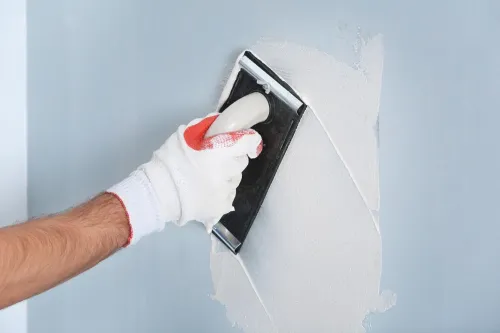
For small repairs, abrasive paper feathers damaged edges and keys sound coating; confirm the exact paper grade in the product data sheet and repair procedure.
3. For two-pack epoxy, record the resin-to-hardener ratio, mixing method, induction time, pot life at 25–30 °C, thinner limit, drying time, and minimum and maximum recoat times. Larger or warmer mixed batches shorten pot life. Discard gelled epoxy; never restore it with thinner.
4. Before application, confirm a dry substrate, no visible condensation, and measured clearance between steel temperature and dew point. Keep steel at least 3 °C above dew point during humid monsoon work, and obey the label’s temperature and relative-humidity limits.
5. Check Raipur heat on exposed steel, monsoon humidity and airborne dust. Record storage and transport temperatures because they can change viscosity, settling and usable life before the container reaches site.
What coating sequence should you specify for steel and exposed construction work?
Specify the coating as a sequence, not a colour: prepared steel, primer, intermediate coat where required, topcoat, inspection and repairs. For a standard synthetic enamel red oxide Raipur project, use an approved synthetic enamel primer followed by a compatible synthetic enamel topcoat.
1. Prepare and prime the steel. State the preparation standard, primer product, number of coats and nominal primer dry-film thickness. A specification for synthetic enamel primer or primer epoxy paint Raipur work must identify the coating chemistry and product code, not merely “metal primer.”
2. Choose the system for exposure. Use synthetic enamel for sheltered or moderately exposed steel when its product data permits that service. For higher durability, specify epoxy primer, epoxy intermediate coat and a UV-resistant polyurethane topcoat.
Epoxy can chalk and lose gloss in sunlight while corrosion protection remains acceptable, so do not leave exposed epoxy as the final coat.
3. Add stripe coats by brush to edges, welds, bolt heads and sharp corners before spraying full areas. Spray application commonly leaves these locations too thin.
4. State separate nominal DFTs for primer, intermediate and topcoat. Check the completed work with a calibrated dry-film-thickness gauge.
5. Record minimum and maximum recoat intervals at the expected site temperature. Outside that window, require the manufacturer’s treatment, such as abrasion, solvent cleaning or another approved preparation.
6. Define repairs: remove damaged or rusted coating, feather sound edges, clean the area, reapply each specified layer and blend the topcoat. Never assume synthetic enamel bonds over epoxy; require a written recoat recommendation. Tie every choice to substrate, exposure, preparation, coat count and repair method.
How should you compare supplier quotations for the chosen system?
Price per litre hides the real cost. Compare each quotation at the specified dry-film thickness and over the same prepared area, because a cheaper coating can consume more material, need extra labour or fail at recoat.
Ask for these details for every coat:
- Technical data sheet, safety data sheet, product identifier, resin type, component ratio, volume solids, recommended thinner, application method, pot life, drying time, minimum and maximum recoat time, storage limits, shelf life, minimum and maximum application temperature, humidity limits and a written compatibility statement.
- Surface-preparation grade, primer, intermediate coat, topcoat, stripe-coat requirement, target dry-film thickness and inspection method, including the type of dry-film-thickness gauge.
Calculate theoretical coverage as volume solids × 1,000 ÷ target DFT in microns. Add allowances for steel profile, welds, edges, overspray, roller losses and stripe coats. Compare the delivered cost per square metre after adding hardener, thinner, blasting or power-tool cleaning, labour, inspection and likely recoating.
| Option | Compare on | Cost basis |
|---|---|---|
| Synthetic enamel | One-pack application and permitted recoat window | Paint, thinner, preparation, labour and losses |
| Epoxy | Resin-hardener ratio, pot life and recoat window | Primer, hardener, thinner, preparation, inspection and losses |
For synthetic enamel red oxide raipur requests, confirm whether “red oxide” means colour only or a documented primer formulation. MUNDLE COATINGS & CHEMICALS PVT LTD can provide a local proposal, but identify any primer epoxy paint raipur quotation by resin, curing system and product code, not the word “primer” alone.
Related items
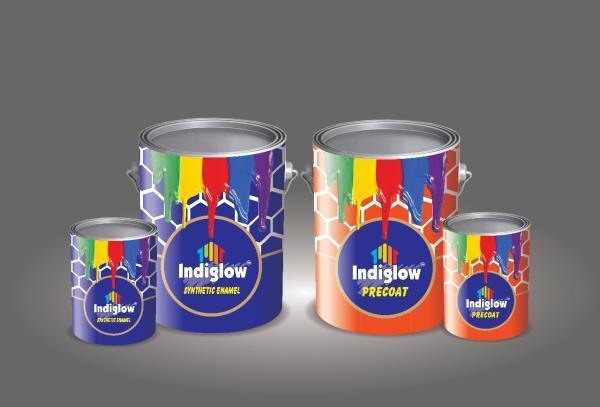
 | Indiglow Paints Synthetic Enamel And Primer We are the best manufacturer and supplier of Synthetic Enamel & Primer in Nagpur. |
| Indiglow Paints We are the best manufacturer and supplier of Synthetic Enamel & Primer in Nagpur. View service → |
Frequently asked questions
When should Raipur construction use synthetic enamel primer or epoxy primer?
Use synthetic enamel for simpler site maintenance. Choose epoxy when moisture, chemical exposure or longer maintenance intervals justify controlled preparation and application.
Which coating fits mild steel, galvanised steel, aluminium, masonry and wood?
Select the system by substrate: mild steel commonly uses a compatible anti-corrosive primer, while galvanised steel and aluminium need suitable adhesion preparation. Masonry and wood require substrate-specific primers rather than an automatic metal primer.
What preparation, mixing and weather checks prevent coating failure?
Remove rust, oil, dust, salts and loose material; confirm the surface is dry; follow the product’s mixing ratio and pot life; and stop work when rain, condensation or unsuitable temperature threatens curing.
What coating sequence should you specify for steel and exposed construction work?
Specify surface preparation, primer coats, intermediate coats and finish coats, including dry-film thickness, recoat interval, thinning limits and inspection points.
How should you compare supplier quotations for the chosen system?
Compare the complete system rather than the price per container: substrate preparation, coverage, dry-film thickness, coats, thinner, drying time, technical data sheet and warranty terms.
Related products
 | Indiglow Paints We are the best manufacturer and supplier of Synthetic Enamel in Nagpur. View product → |
 | Indiglow Paints We are the best manufacturer and supplier of Exterior Wall Primer in Nagpur. View product → |
 | Indiglow Paints We are the best manufacturer and supplier of Anti-corrosive Metal Primer in Nagpur. View product → |